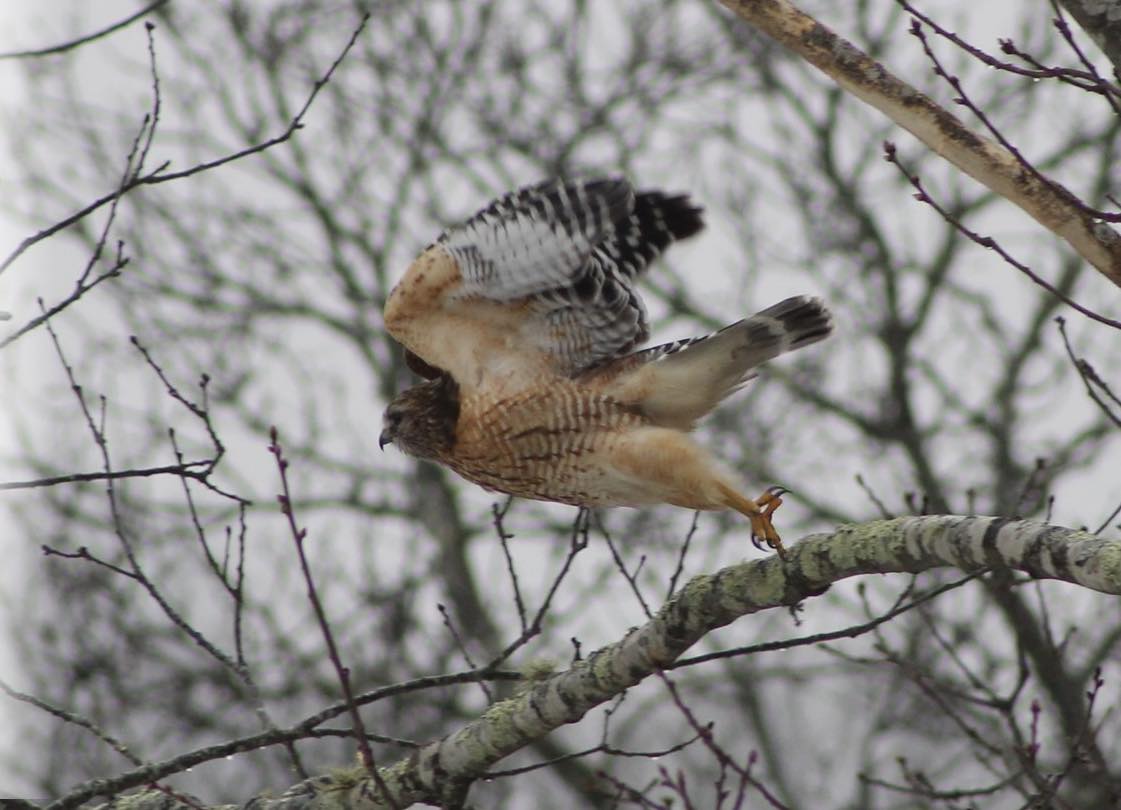
The Arts as a Bridge Between People and Planet

At the United Nations Conference on the Climate, COP 30, as the world’s nations gather once again to confront the climate crisis, there is an unprecedented opportunity to expand how we think about environmental action — not just as policy, but as peacebuilding. Every service project that safeguards nature also strengthens cooperation, empathy, and shared responsibility. In short, every project that heals the planet helps build peace.
Rotary has long understood this connection. Through its focus area of Protecting the Environment, the organization encourages service above self as stewardship of creation — not just conserving resources, but cultivating harmony among people and ecosystems. Whether through reforestation, clean water initiatives, or education, these efforts do more than restore balance to nature. They nurture trust between neighbors, empower communities, and remind us of our interdependence.
Yet even the most inspiring project needs a voice that can reach hearts as well as minds. This is where the arts play an essential role. Music, film, dance, and visual art can translate urgency into understanding and understanding into hope — in ways that statistics and reports alone cannot. Art amplifies action; it turns service into story and story into shared purpose.
The Role of Opus for Peace
That conviction lies at the heart of Opus for Peace, a movement launched by Rotarians in Southern Connecticut and now expanding globally. Its purpose is simple but profound: to use the arts — especially music and performance — to advance what Rotary calls positive peace. By integrating art into humanitarian and environmental service projects, Opus for Peace seeks to awaken empathy, inspire action, and connect people across borders through shared creativity.
This philosophy comes alive through initiatives like Amazonia Élégie, composed by Brazilian cellist Diego Carneiro, and Do Something Now (Before It’s Too Late), a song I wrote decades ago that’s more urgent than ever. Both works will be performed at COP 30, not as entertainment, but as a reminder that the fight for our planet begins in the human spirit — in our willingness to listen, to feel, and to act together.
The Arts in Action
Around the world, Rotary clubs are already showing how the arts can magnify environmental impact.
- In Chile, murals celebrating pollinators have become outdoor classrooms.
- In the Philippines, youth combine short films and public art to advocate for climate resilience.
- In India, songs and street plays spread environmental awareness in rural communities.
- In Colombia and Australia, artists and Rotarians collaborate on restoration projects that blend beauty with sustainability.
Each of these projects goes beyond aesthetics — they cultivate belonging. They turn environmental action into a shared cultural experience that strengthens peace at every level.
A Global Call to Create
COP 30 is more than a conference; it’s a stage for collaboration. Through Opus for Peace, Rotary invites clubs, artists, and communities to create new projects that unite art and environmental service. Whether through film, mural, concert, or creative youth engagement, these acts of expression can become catalysts for empathy and cooperation.
Because while policy informs, art transforms. And transformation — of hearts, habits, and hopes — is what our planet needs most.

Related Posts
In Defense of Immigration: The Secret to 250 Years of American Greatness
Japan/Thailand March 2025
The Abdication of American Leadership: Betraying Allies, Empowering Adversaries
Nature In All Its Glory!